
Dec 23, 2024

태양계에 가장 적합한 케이블은 무엇입니까?

메시지를 남겨주세요

세계가 재생 에너지에 더 많은 관심을 기울이면서 태양 에너지는 깨끗하고 지속 가능한 에너지 형태로 널리 사용되어 왔습니다. 태양 광 (PV) 시스템은 주거, 상업용 건물 및 대규모 태양 광 발전소에서 중요한 역할을합니다. 태양 광 시스템에서 케이블과 와이어는 시스템의 효율성, 신뢰성 및 안전성을 결정하는 주요 구성 요소입니다. 따라서 올바른 케이블을 선택하는 것이 매우 중요합니다.

이 기사에서는 태양열 케이블 및 태양 전선의 특성과 적용 가능한 표준을 탐색하고 다른 태양계에서 응용 프로그램을 비교할 것입니다. 마지막으로, 우리는 최상의 결정을 내릴 수 있도록 태양열 케이블을 선택할 때 고려해야 할 요소를 제공합니다.

​ As the world pays more attention to renewable energy, solar energy has been widely used as a clean and sustainable form of energy. Photovoltaic (PV) systems play an important role in residential, commercial buildings, and large-scale photovoltaic power plants. In photovoltaic systems, cables and wires are key components that determine the efficiency, reliability, and safety of the system. Therefore, choosing the right cable is very important.  In this article, we will explore the characteristics and applicable standards of solar cables and solar wires, and compare their applications in different solar systems. Finally, we will give the factors to consider when choosing solar cables to help you make the best decision.     1. What are solar cables and solar wires?  1.1 Solar Cable Solar cables are cables designed specifically for photovoltaic systems. Their main task is to transmit the electricity generated by solar panels to inverters, energy storage devices, or power systems. Solar cables not only need to have the conductive function of conventional cables, but also need to be able to withstand long-term outdoor exposure, extreme climates, ultraviolet radiation, and other factors.  Solar cables usually have the following characteristics:  High temperature resistance: Solar cables need to withstand high temperature environments, especially working environments under direct sunlight. Ultraviolet (UV) resistance: Solar cables are exposed to the outdoors all year round, and ultraviolet radiation may cause the cable material to age, so the cable must have good UV resistance. Corrosion and aging resistance: Solar cables must be able to resist chemical corrosion, oxidation and aging, and maintain long-term stability. Waterproof performance: Since solar cables are often exposed to humid environments, the outer layer of the cable needs to have strong waterproof properties. High voltage tolerance: Modern photovoltaic systems usually operate at higher voltages, so the voltage level of solar cables needs to meet system requirements. 1.2 Solar Wire Solar wires usually refer to single wires used to connect solar panels and other devices. Compared with cables, they lack external insulation and sheath layers, so they require more protection when used. Although solar wires are sometimes used in photovoltaic systems, they are more used for short-distance connections and lightweight wiring scenarios. Unlike solar cables, wires usually contain only one or more conductors, so they are not environmentally resistant.    2. Main types and standards of solar cables There are many types of solar cables, including dual-conductor (dual-core cable), single-conductor, single-wire, high-voltage resistant, etc. Each type of cable has different usage scenarios and characteristics, and the specific choice needs to be determined according to the needs of the photovoltaic system.  2.1 Dual-conductor solar cable (dual-core cable) Dual-conductor cables are often used to connect multiple photovoltaic panels in parallel, and have good current carrying capacity and electrical performance. Each cable has two conductors inside, one for the positive pole and the other for the negative pole. The design of the cable helps maintain the stability of the system and the efficiency of power transmission.  2.2 Single-conductor solar cable Single-conductor cables are mainly used for single electrical connections or smaller photovoltaic systems. Generally, they are suitable for connecting panels to inverters, or in applications that require higher currents.  2.3 High-voltage solar cables (high-voltage cables) Modern large-scale photovoltaic power stations and high-efficiency photovoltaic systems usually have higher voltage levels. To adapt to these systems, solar cables need to support higher voltage levels (such as 1000V or 1500V). The design of these high-voltage cables requires special attention to electrical performance, insulation materials, and high-voltage transmission capabilities.  2.4 Photovoltaic cable standards Solar cables must meet certain safety standards and certification requirements. Common standards include:  IEC 60216: Heat resistance and aging performance of cables.  IEC 60754: Smoke release and corrosiveness of cables in fire situations.  UL 4703: Safety standard for photovoltaic cables in the United States.  TÜV certification: Certification of photovoltaic cables in the European market to ensure that the cables meet the requirements of UV resistance and high temperature resistance.    3. The difference between solar cables and solar wires The main difference between solar cables and solar wires lies in the structure, use environment, and material properties. The following are the key differences between them:  3.1 Structural differences Solar cables: Solar cables are usually composed of multiple conductors, insulation layers, and outer sheaths. Its outer sheath is usually made of polyethylene (PE) or other UV-resistant and high-temperature-resistant materials to ensure that it maintains good working performance under long-term outdoor exposure. Solar wires: Solar wires usually have only one conductor, lack an outer sheath or have only simple outer insulation. Therefore, solar wires are more suitable for short-distance applications or applications that are not exposed to the outdoors. 3.2 Environmental adaptability Solar cables: Solar cables are designed for outdoor and harsh environments. They have strong resistance to UV rays, high temperatures, aging, and water, and can operate stably under long-term exposure to sunlight and harsh weather conditions. Solar wires: Due to the lack of an outer sheath or protective layer, solar wires have poor weather resistance and environmental resistance, and are more suitable for indoor applications or short-distance connections. 3.3 Safety and durability Solar cables: The outer sheath of solar cables is well designed and can effectively prevent physical damage, chemical corrosion, and aging caused by environmental factors. It usually has high voltage tolerance (600V, 1000V, or 1500V), meets strict safety standards, and can operate stably for a long time. Solar wires: Solar wires have low durability and damage resistance and are generally suitable for applications with lower voltages and milder working environments.     4. Key factors for choosing the best solar cable There are several key factors to consider when choosing the best solar cable:  4.1 Voltage level The voltage level of the solar cable is one of the most important selection factors. Most home and small commercial photovoltaic systems usually have a voltage level of 600V or 1000V, while large photovoltaic power stations may require a higher voltage level, such as 1500V. Choose a cable with the appropriate voltage level according to the rated voltage of the system to ensure that the cable can withstand the operating voltage of the system.  4.2 Cable material The conductor material of the solar cable is usually copper or aluminum. The copper conductor has better conductivity than the aluminum conductor, but the cost is higher. Choosing copper conductor cable can improve the efficiency of the system, especially in long-distance transmission. Although aluminum conductor cable is cheaper, it has poor conductivity and is suitable for short-distance transmission.  4.3 Environmental adaptability Solar cables need to be able to withstand harsh environmental conditions, including high temperature, strong ultraviolet radiation, rain, wind and sand, etc. Therefore, it is very important to choose a cable outer sheath material with characteristics such as UV resistance, water resistance, and high temperature resistance. Common outer sheath materials include polyethylene (PE), **cross-linked polyethylene (XLPE)**, etc. These materials can effectively protect the internal structure of the cable and extend the service life of the cable.  4.4 Cable certification and standards Solar cables must comply with strict international safety and quality standards, such as IEC 60216, IEC 60754, UL 4703, etc. Selecting certified cables can ensure that they have high safety and reliability in long-term use.  4.5 Flexibility and ease of installation In some photovoltaic systems, the flexibility and ease of installation of the cable are also important factors in selection. Selecting flexible solar cables can facilitate installation, especially in complex wiring environments.  ​

1. 무엇입니까태양열 케이블그리고 태양 전선?

1.1 태양열 케이블
태양열 케이블은 태양 광 시스템을 위해 특별히 설계된 케이블입니다. 그들의 주요 작업은 태양 전지판으로 생성 된 전기를 인버터, 에너지 저장 장치 또는 전력 시스템으로 전송하는 것입니다. 태양열 케이블은 기존 케이블의 전도성 기능이 필요할뿐만 아니라 장기적인 야외 노출, 극한 기후, 자외선 및 기타 요인을 견딜 수 있어야합니다.

태양 케이블은 일반적으로 다음과 같은 특성을 가지고 있습니다.

고온 저항 : 태양열 케이블은 고온 환경, 특히 직사광선의 작업 환경을 견딜 수 있어야합니다.
자외선 (UV) 저항 :태양열 케이블은 일년 내내 야외에 노출되며 자외선 방사선은 케이블 재료가 나이가들 수 있으므로 케이블은 UV 저항이 양호해야합니다.
부식 및 노화 저항성 : 태양열 케이블은 화학 부식, 산화 및 노화에 저항하고 장기 안정성을 유지할 수 있어야합니다.
방수 성능 :태양열 케이블은 종종 습한 환경에 노출되므로 케이블의 외부 층에는 강한 방수 특성이 있어야합니다.
고전압 공차 : 현대 광전지 시스템은 일반적으로 더 높은 전압에서 작동하므로 태양열 케이블의 전압 수준은 시스템 요구 사항을 충족해야합니다.
1.2 태양 전선
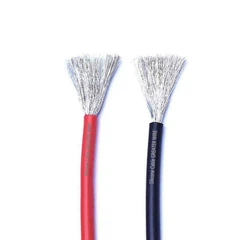
태양 전선은 일반적으로 태양 전지판과 다른 장치를 연결하는 데 사용되는 단일 와이어를 나타냅니다. 케이블과 비교할 때 외부 절연 및 외피 층이 없으므로 사용하면 더 많은 보호가 필요합니다. 태양 전선은 때때로 태양 광 시스템에서 사용되지만 단거리 연결 및 경량 배선 시나리오에 더 많이 사용됩니다. 태양열 케이블과 달리 와이어에는 일반적으로 하나 이상의 도체가 포함되어 있으므로 환경 저항력이 없습니다.

wiring system used in pv solar installation

2. 태양열 케이블의 주요 유형 및 표준
듀얼 컨덕터 (듀얼 코어 케이블), 단일 조도기, 단일 와이어, 고전압 저항 등을 포함한 여러 유형의 태양열 케이블이 있습니다. 각 유형의 케이블마다 사용 시나리오와 특성이 다르며, 특정 선택은 광선 시스템의 요구에 따라 결정해야합니다.

2.1 듀얼 컨덕터 태양열 케이블 (듀얼 코어 케이블)
듀얼 조합 케이블은 종종 여러 광기 전판을 병렬로 연결하는 데 사용되며 전류 운반 용량 및 전기 성능이 우수합니다. 각 케이블에는 내부에 두 개의 도체가 있으며, 하나는 양극을위한 것이고 다른 하나는 음의 극을위한 것입니다. 케이블의 설계는 시스템의 안정성과 전력 전송 효율을 유지하는 데 도움이됩니다.

2.2 단일 도전 태양 케이블
단일 도전사 케이블은 주로 단일 전기 연결 또는 소규모 태양 광 시스템에 사용됩니다. 일반적으로 패널을 인버터 또는 더 높은 전류가 필요한 응용 분야에서 연결하는 데 적합합니다.

2.3 고전압 태양열 케이블 (고전압 케이블)
현대 대규모 광전지 발전소와 고효율 광전지 시스템은 일반적으로 전압 수준이 높습니다. 이러한 시스템에 적응하려면 태양열 케이블은 더 높은 전압 레벨 (예 : 1000V 또는 1500V)을 지원해야합니다. 이 고전압 케이블의 설계는 전기 성능, 단열재 및 고전압 전송 기능에 특별한주의를 기울여야합니다.

2.4 태양 광 케이블 표준
태양열 케이블은 특정 안전 표준 및 인증 요구 사항을 충족해야합니다. 일반적인 표준은 다음과 같습니다.

IEC 60216 :케이블의 내열 및 노화 성능.

IEC 60754 :화재 상황에서 케이블의 연기 방출 및 부식성.

UL 4703 :미국의 태양 광 케이블에 대한 안전 표준.

Tüv 인증 :유럽 ​​시장에서 태양 광 케이블 인증을 위해 케이블이 UV 저항 및 고온 저항의 요구 사항을 충족 할 수 있도록합니다.

10m lead for solar panel extension

3. 태양 케이블과 태양 전선의 차이
태양열 케이블과 태양 전선의 주요 차이점은 구조, 사용 환경 및 재료 특성에 있습니다. 다음은 그들 사이의 주요 차이점입니다.

3.1 구조적 차이
태양열 케이블 :태양열 케이블은 일반적으로 다수의 도체, 절연 층 및 외피로 구성됩니다. 외피는 일반적으로 폴리에틸렌 (PE) 또는 기타 UV- 내성 및 고온 저항성 물질로 만들어져 장기적인 실외 노출에서 우수한 작업 성능을 유지할 수 있습니다.
태양 전선 : 태양 전선에는 일반적으로 도체가 하나만 있거나 외피가 없거나 단순한 외부 절연 만 있습니다. 따라서 태양 전선은 야외에 노출되지 않은 단거리 응용 프로그램 또는 응용 분야에 더 적합합니다.
3.2 환경 적응성
태양열 케이블 :태양열 케이블은 실외 및 가혹한 환경을 위해 설계되었습니다. 그들은 UV 광선, 고온, 노화 및 물에 대한 강한 저항력을 가지고 있으며 햇빛과 가혹한 기상 조건에 장기 노출로 안정적으로 작동 할 수 있습니다.
태양 전선 : 외피 또는 보호 층이 없기 때문에 태양 전선은 날씨 저항성과 환경 저항력이 좋지 않으며 실내 적용 또는 단기 연결에 더 적합합니다.
3.3 안전성과 내구성
태양열 케이블 :태양 케이블의 외피는 잘 설계되었으며 환경 적 요인으로 인한 물리적 손상, 화학 부식 및 노화를 효과적으로 예방할 수 있습니다. 일반적으로 높은 전압 공차 (600V, 1000V 또는 1500V)를 가지며 엄격한 안전 표준을 충족하며 오랫동안 안정적으로 작동 할 수 있습니다.
태양 전선 :태양 전선은 내구성이 낮고 손상 저항이 낮으며 일반적으로 낮은 전압 및 가벼운 작업 환경이있는 응용 분야에 적합합니다.

wiring two solar panels in parallel

4. 최고의 태양열 케이블을 선택하기위한 주요 요인
최고의 태양열 케이블을 선택할 때 고려해야 할 몇 가지 주요 요소가 있습니다.

4.1 전압 레벨
태양 케이블의 전압 레벨은 가장 중요한 선택 요소 중 하나입니다. 대부분의 가정 및 소규모 상용 태양 광 시스템은 일반적으로 600V 또는 1000V의 전압 수준을 가지고 있으며, 대형 태양 광 발전소는 1500V와 같은 더 높은 전압 레벨을 필요로 할 수 있습니다. 시스템의 정격 전압에 따라 적절한 전압 레벨의 케이블을 선택하여 케이블이 시스템의 작동 전압을 견딜 수 있는지 확인하십시오.

4.2 케이블 재료
태양 케이블의 도체 재료는 일반적으로 구리 또는 알루미늄입니다. 구리 도체는 알루미늄 도체보다 전도도가 우수하지만 비용은 더 높습니다. 구리 도체 케이블을 선택하면 특히 장거리 전송에서 시스템의 효율성을 향상시킬 수 있습니다. 알루미늄 도체 케이블은 저렴하지만 전도도가 좋지 않으며 단거리 전송에 적합합니다.

4.3 환경 적응성
태양열 케이블은 고온, 강한 자외선, 비, 바람 및 모래 등을 포함한 가혹한 환경 조건을 견딜 수 있어야합니다. 따라서 UV 저항, 방수 및 고온 저항과 같은 특성을 가진 케이블 외피 재료를 선택하는 것이 매우 중요합니다. 일반적인 외피 재료에는 폴리에틸렌 (PE), ** 가교 폴리에틸렌 (XLPE) ** 등이 포함됩니다.이 재료는 케이블의 내부 구조를 효과적으로 보호하고 케이블의 서비스 수명을 확장 할 수 있습니다.

4.4 케이블 인증 및 표준
태양열 케이블은 IEC 60216, IEC 60754, UL 4703 등과 같은 엄격한 국제 안전 및 품질 표준을 준수해야합니다. 인증 된 케이블을 선택하면 장기 사용이 높은 안전성과 신뢰성을 갖도록 할 수 있습니다.

4.5 유연성과 설치 용이성
일부 태양 광 시스템에서는 케이블의 유연성과 설치의 용이성도 선택에 중요한 요소입니다. 유연한 태양열 케이블을 선택하면 특히 복잡한 배선 환경에서 설치를 용이하게 할 수 있습니다.

문의 보내기